
In-Plant Logistics Services in Africa

Abhi TransAfrica Logistics and Traders Ltd. provides technology-driven In-Plant Logistics services that streamline material handling and improve manufacturing efficiency within factories.

In-Plant Logistics

ATLT is one of the pioneer into the In-Plant Logistics/In-Factory Logistics operations in Africa. offering tailored solutions for diverse industries.

Efficient internal logistics helps manufacturing and processing facilities coordinate the movement of raw materials, components, semi-finished goods and finished products between receiving, storage, production and dispatch areas.

ATLT supports internal material flow based on customer operating requirements and can coordinate in-plant activities with warehousing, transportation and wider supply chain operations.

Technology-supported processes can improve operational visibility, inventory coordination and information flow within manufacturing logistics. ATLT combines infrastructure, technology, operational expertise, local intelligence and global connectivity to support more coordinated supply chain execution.
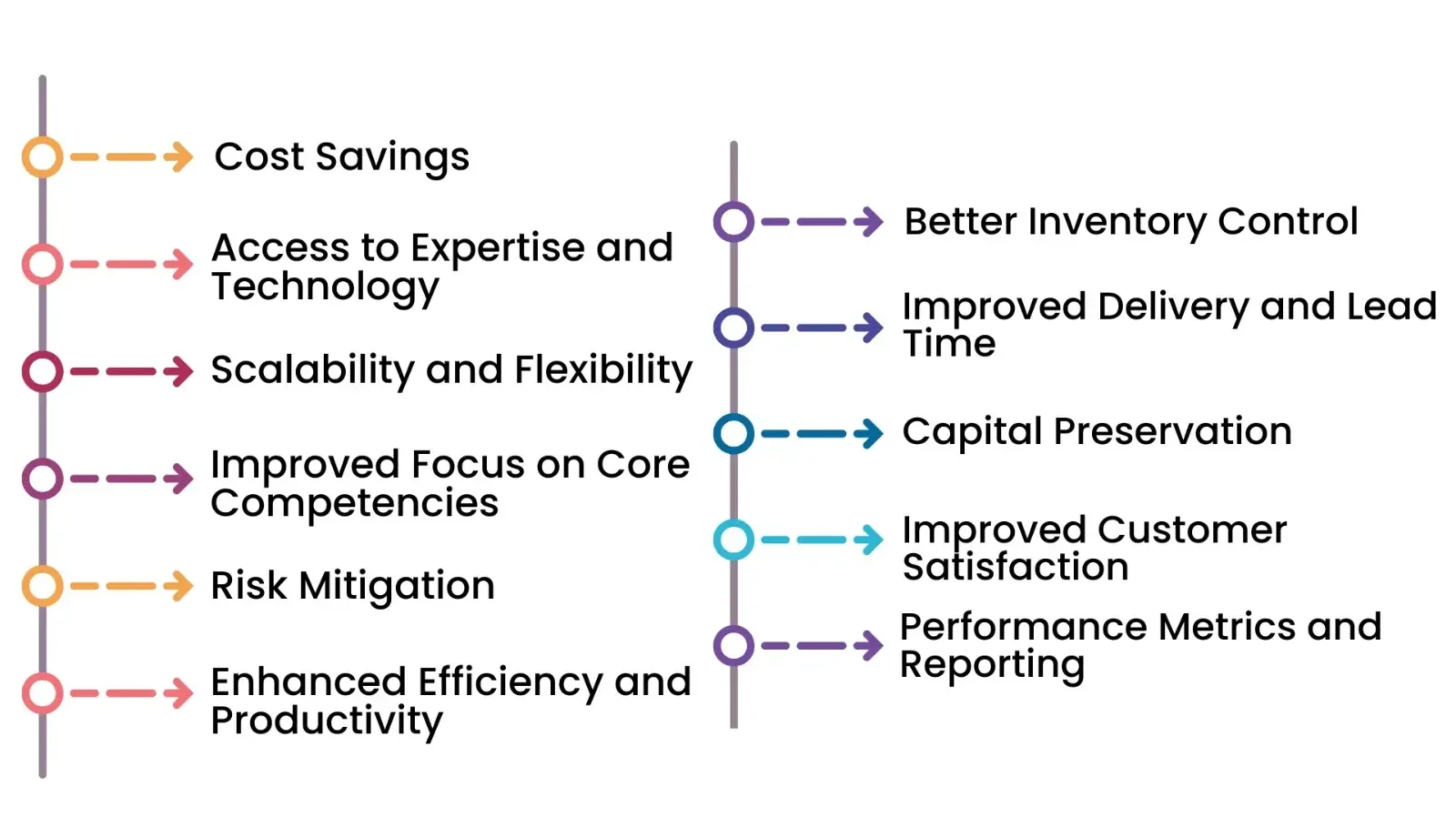
In-plant logistics infographics showing material flow, inventory handling, and line feeding processes

Understanding In Plant Logistics

In-plant logistics refers to the coordination of material handling, storage and internal movement activities within a manufacturing or production facility.

It focuses on the movement and flow of raw materials, components, semi-finished products and finished goods between receiving, storage, production and dispatch areas within the facility.

Well-coordinated in-plant logistics supports organized material availability, smoother internal movement and better alignment between storage, production-support and dispatch activities.

As part of an integrated 3PL and supply chain model, in-plant logistics can be coordinated with warehousing, transportation, freight forwarding and other logistics requirements.
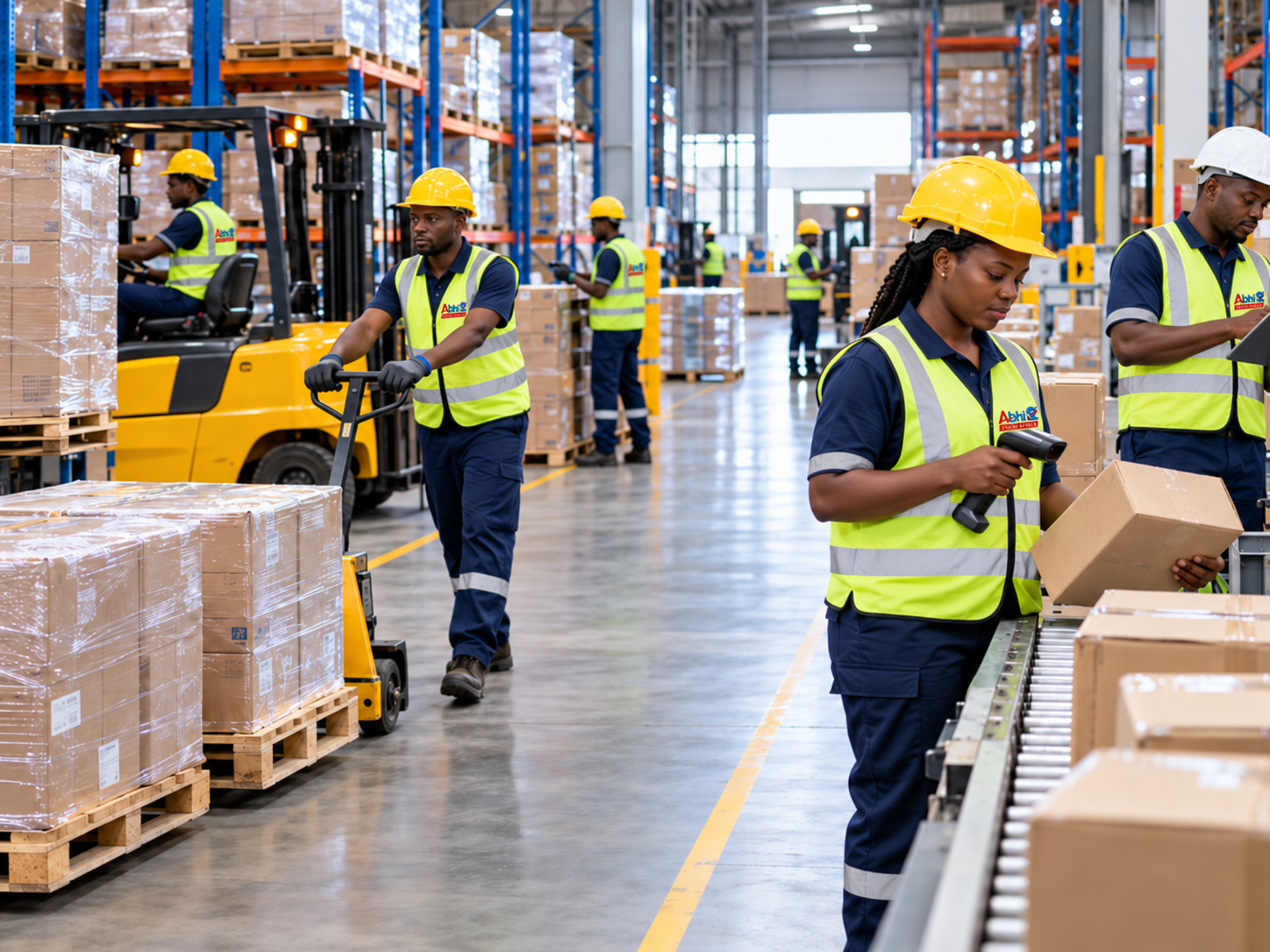
Inplant Logistics team work

Key Components of In-Plant Logistics

Material Handling

Movement of Goods: Coordinating material movement between receiving, storage, production-support and dispatch areas within the facility.

Loading and Unloading: Coordinating receipt, unloading and movement of materials to designated storage or operating areas.

Inventory Management

Stock Control: Supporting organized inventory records and material availability based on operational requirements.

Inventory Visibility: Maintaining clearer information on stock location and movement within the facility.

Storage

Warehouse Management: Organizing raw materials, components and finished products within designated storage and staging areas.

Material Staging: Positioning materials in suitable storage or staging areas based on production and movement requirements.

Order Fulfillment

Material Replenishment: Coordinating internal material supply according to production-support requirements.

Component Preparation: Organizing and preparing materials or components for onward movement within the facility.

Production Line Support

Flow of Materials: Coordinating material movement between storage, production-support and staging areas.

Post-production Movement: Coordinating finished goods from production areas to storage, staging or dispatch locations.

Reverse Logistics Support

Return Flows: Supporting materials or goods moving back through internal or external logistics processes where required.

Why ATLT?: ATLT can connect in-plant activities with Warehousing & Distribution, Transportation, Reverse Logistics and wider Supply Chain Management.

Frequently Asked Questions

In-plant logistics refers to the coordination of material handling, storage and internal movement of raw materials, components, semi-finished goods and finished products within a manufacturing or production facility.

In-plant logistics helps coordinate internal material movement, storage and production-support activities so materials can move more efficiently between receiving, storage, operating and dispatch areas.

ATLT supports internal material movement, storage coordination, inventory flow, production-support logistics and the movement of finished goods within manufacturing and processing facilities.

Technology-supported processes can improve inventory visibility, operational reporting and information flow across internal logistics activities.

In-plant logistics can support manufacturing-oriented sectors such as automotive, engineering, steel, FMCG, food processing, pharmaceuticals, chemicals and other industries with internal material-flow requirements.

In-plant logistics supports material availability by coordinating storage, internal movement and replenishment activities according to operating requirements.

In-plant logistics helps coordinate movement of materials from receiving and storage areas toward production-support, staging and other internal operating locations.

An integrated logistics partner can coordinate internal material flow with warehousing, transportation and broader supply chain activities to improve operational alignment.

Yes. In-Plant Logistics is part of ATLT’s wider service portfolio, which also includes Warehousing & Distribution, Road, Rail & Coastal Transportation, International Freight Forwarding, Customs Clearance, Project & Reverse Logistics and Supply Chain Consultancy.

Well-coordinated in-plant logistics supports organized material availability, clearer inventory flow and smoother movement between storage, production-support and dispatch areas.