The cement supply chain connects raw material sourcing, manufacturing, storage, transportation, distribution and final delivery to dealers, project sites and infrastructure customers.
The upstream cement supply chain includes the sourcing and movement of raw materials such as limestone, gypsum, clinker, fly ash and other inputs required for cement production.
The downstream cement supply chain covers plant dispatch, warehousing, bulk and bagged cement transportation, dealer distribution, project deliveries and export-import movements.
The products handled across the downstream cement supply chain can include clinker, bulk cement, bagged cement and other construction-material cargo moving between plants, warehouses, ports, dealers and project locations.
These factors create operational challenges across plant logistics, warehousing, inventory management, loading, transportation, dealer distribution, project deliveries and cross-border cement logistics.
ATLT brings together warehousing, transportation, in-plant logistics, international freight forwarding, customs clearance, and supply chain management capabilities to support cement manufacturers, distributors, and construction-material businesses across the region. As a Cement Logistics Company in Kenya, ATLT provides integrated logistics support across key stages of the cement supply chain.
3PL & Supply Chain Management for Cement
ATLT supports cement supply chains through 3PL & Supply Chain Management, integrating plant logistics, warehousing, transportation, freight forwarding, customs clearance and distribution activities.
By combining infrastructure, operational expertise, local market knowledge and global connectivity, ATLT supports coordinated cement logistics across African and international markets.
Cement Warehousing and Distribution Management
Bagged cement, clinker, and related construction materials require organized storage, careful inventory management, and efficient dispatch planning to protect product quality and maintain a reliable supply to dealers and project customers. As a Cement Logistics Company in Kenya, ATLT supports organized warehousing and distribution processes for cement products.
Warehouse and distribution planning can help improve space utilization, stock rotation, loading efficiency, inventory visibility and coordination with onward transportation.
-
Warehouse and storage planning based on cement distribution requirements and material flow.
-
Inventory identification, batch visibility and organized stock-control processes for cement products.
-
Storage-location planning to improve space utilization, product accessibility and dispatch efficiency.
-
Material handling planning for bagged cement, clinker and other cement-related cargo.
-
Process improvement for stacking, loading, unloading, pallet handling and material movement.
-
Warehouse and inventory visibility to support dealer distribution and project delivery planning.
-
Timely warehouse and inventory information to support replenishment, dispatch and operational decision-making.
-
Operational reporting to support continuous improvement in cement warehousing and distribution.
-
3PL & Supply Chain Management support for cement warehousing and distribution activities.
-
Operational review and reporting across warehousing, storage and dispatch activities.
-
Organized storage practices, safety-focused handling and continuous process improvement.
Cement In-Plant Logistics
In-plant logistics covers the movement of raw materials, clinker, packaging materials and finished cement within the manufacturing and processing environment.
Movements can include receipt of raw materials, transfer to storage or processing areas, movement between production stages, handling of packaging materials and transfer of finished cement to storage, loading or dispatch points.
In-plant logistics can also support internal material flow between production units, warehouses, silos, bagging areas and dispatch zones.
In-Plant Logistics is part of ATLT’s service portfolio and can support cement manufacturing environments where raw materials, clinker, packaging materials and finished cement must move efficiently within the facility. As part of its Cement Logistics Services in Kenya, ATLT supports coordinated in-plant logistics and material movement within cement manufacturing facilities.
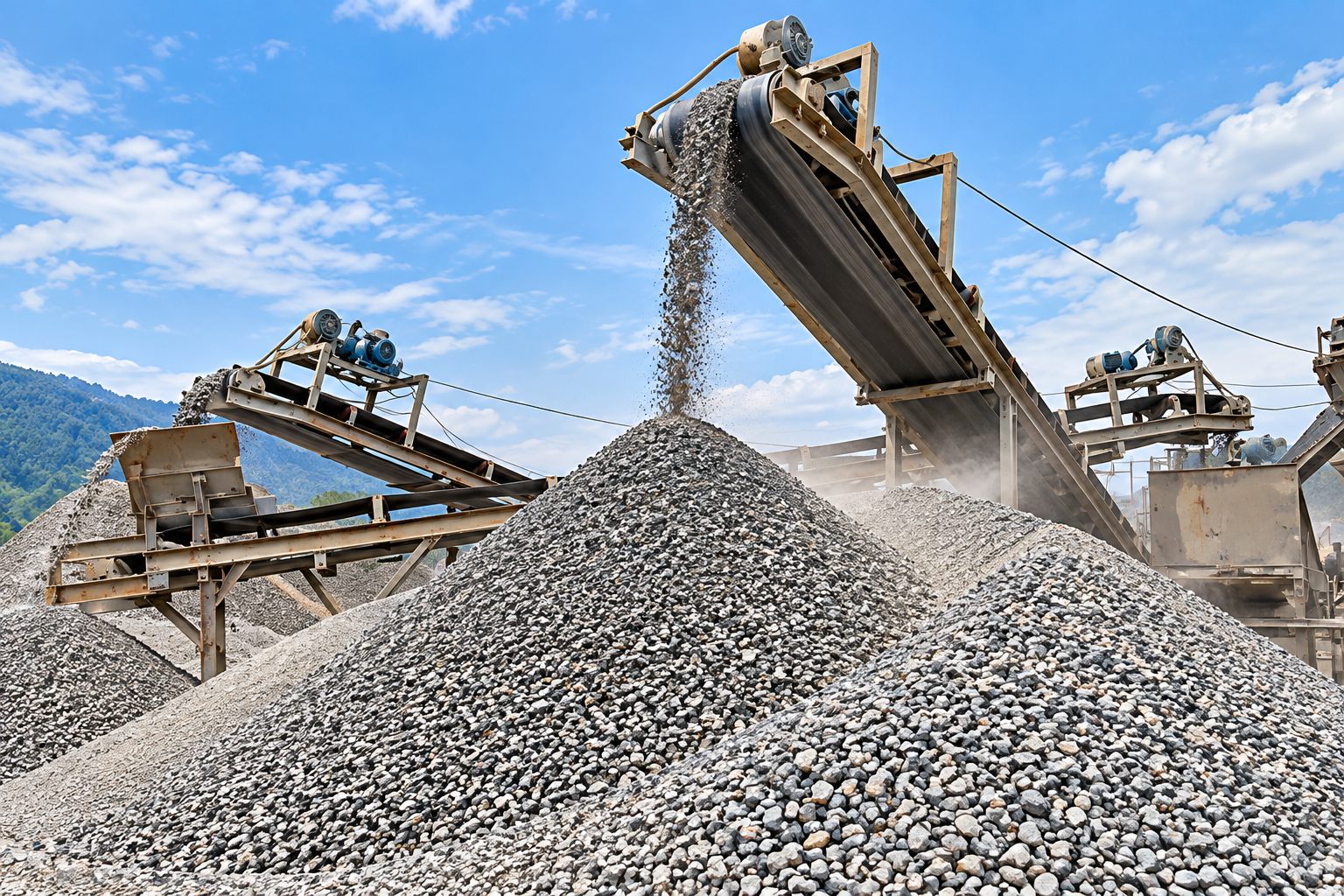
- Receipt and inward movement of limestone, gypsum, clinker, fly ash and other production inputs
- Internal movement of raw materials and clinker between storage, processing and production areas
- Movement of finished bagged or bulk cement to staging, loading or dispatch locations
- Operational manpower coordination for in-plant logistics and dispatch activities
- Management of pallets, bags and other logistics assets where required
- Logistics process and layout review for material movement, storage, loading and dispatch
- Organized placement and storage of received raw materials and packaging inputs
- Supply of raw materials and production inputs to processing or production areas
- Coordination between storage, production, bagging and dispatch areas
- Return movement of pallets and reusable material-handling assets between dispatch and storage areas
- Dispatch coordination, truck loading, weighbridge coordination and documentation support
- Material handling coordination based on bulk, bagged and operational requirements
- Maintenance of organized storage, housekeeping and handling practices
Cement Transportation & Distribution
Cement transportation requires dependable movement of bulk and bagged products between manufacturing plants, warehouses, ports, dealers, distributors and project sites.
ATLT supports Road, Rail & Coastal Transportation as part of its integrated logistics network across East Africa, enabling flexible movement of cement and related construction materials.
Transportation can be coordinated with warehousing, freight forwarding, customs clearance and distribution activities to support more connected cement supply chains.
As a Cement Logistics Company in Kenya, ATLT supports transportation and distribution requirements for cement manufacturers, distributors and construction-material businesses.
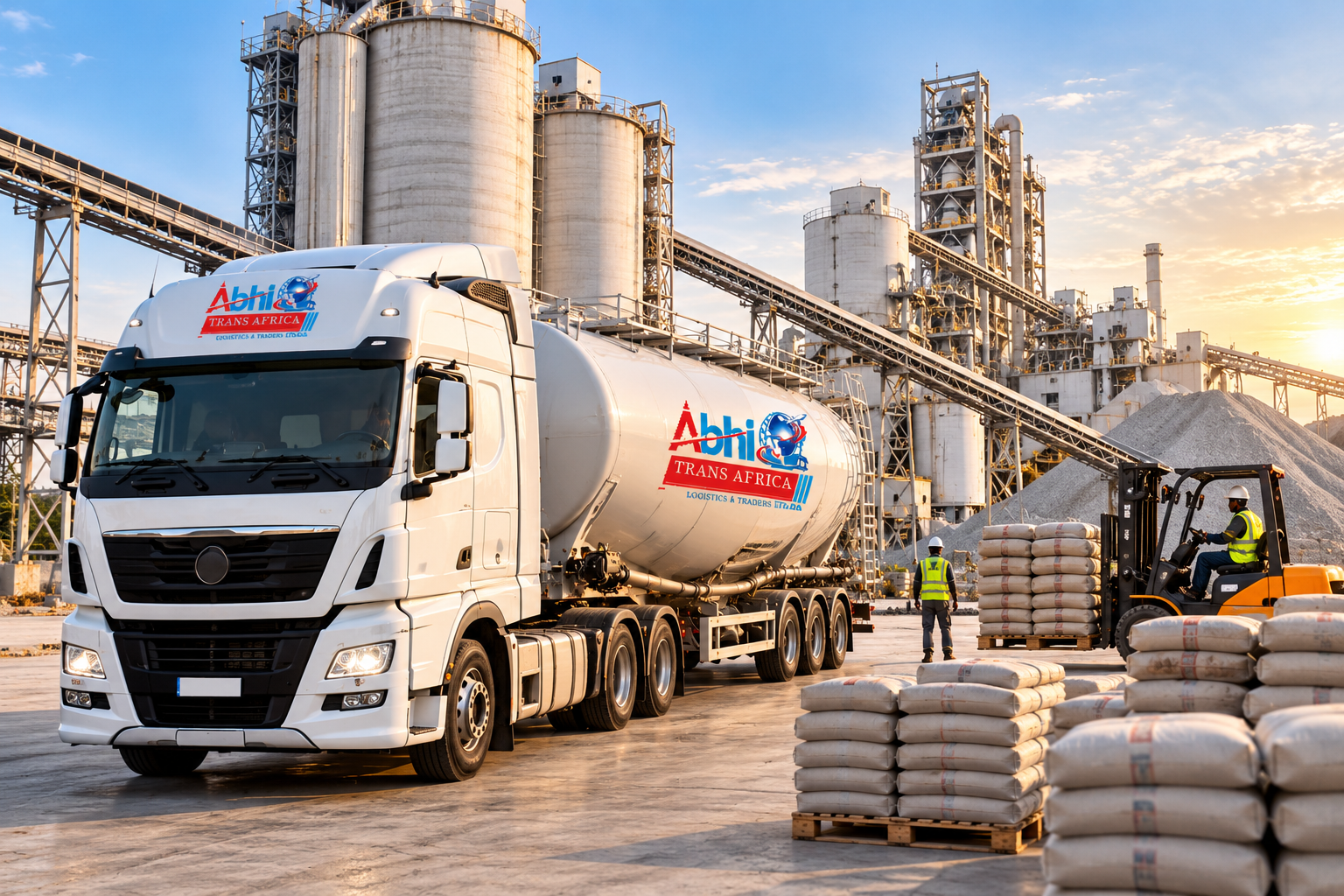
- Transportation capacity arranged according to bulk, bagged and project-delivery requirements
- Support for high-volume movement of bagged cement, clinker and other cement-related cargo
- Local and regional cement transportation support across East African markets
- Coordinated transportation aligned with plant dispatch, dealer distribution and project requirements
- Support in selecting suitable transportation modes for different cement cargo profiles
- Shipment visibility and operational monitoring across cement transportation activities
- Technology-supported documentation, trip monitoring and transportation coordination
- Return-load and reverse logistics support where applicable
- Regional transportation coordination across East African cement markets
- Transportation support for cement manufacturers, distributors and multinational construction-material businesses
- Centralized coordination for dispatch requests, fleet planning and cargo movement
- Transportation documentation, proof-of-delivery and movement records
- Operational visibility and reporting for cement cargo movements
- Planned transit schedules aligned with dealer, distributor and project requirements
- Careful handling and movement of bagged and bulk cement cargo
Cement Import Export (EXIM)
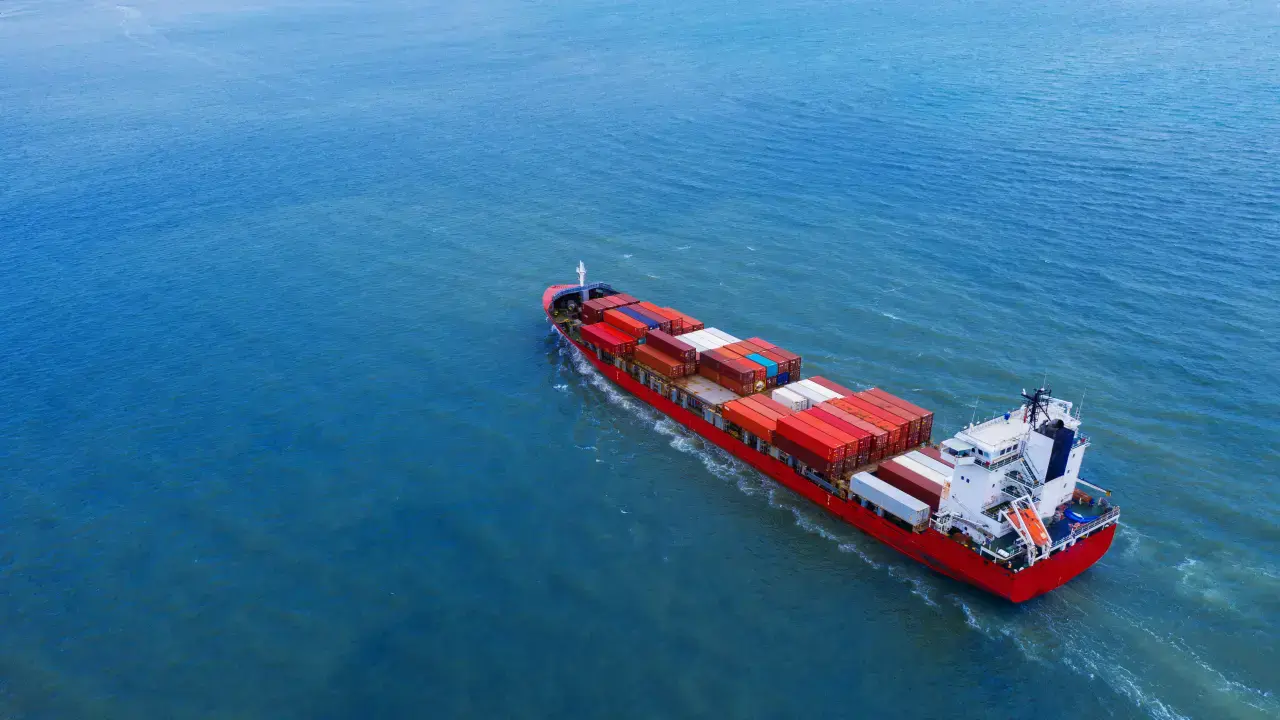
Clinker, bulk cement, bagged cement and related raw materials can move internationally as part of the cement industry’s import-export supply chain.
ATLT supports cement import-export requirements through International Freight Forwarding and Customs Clearance, connecting East African operations with global suppliers, ports and customers.
Our international cement logistics support can include:
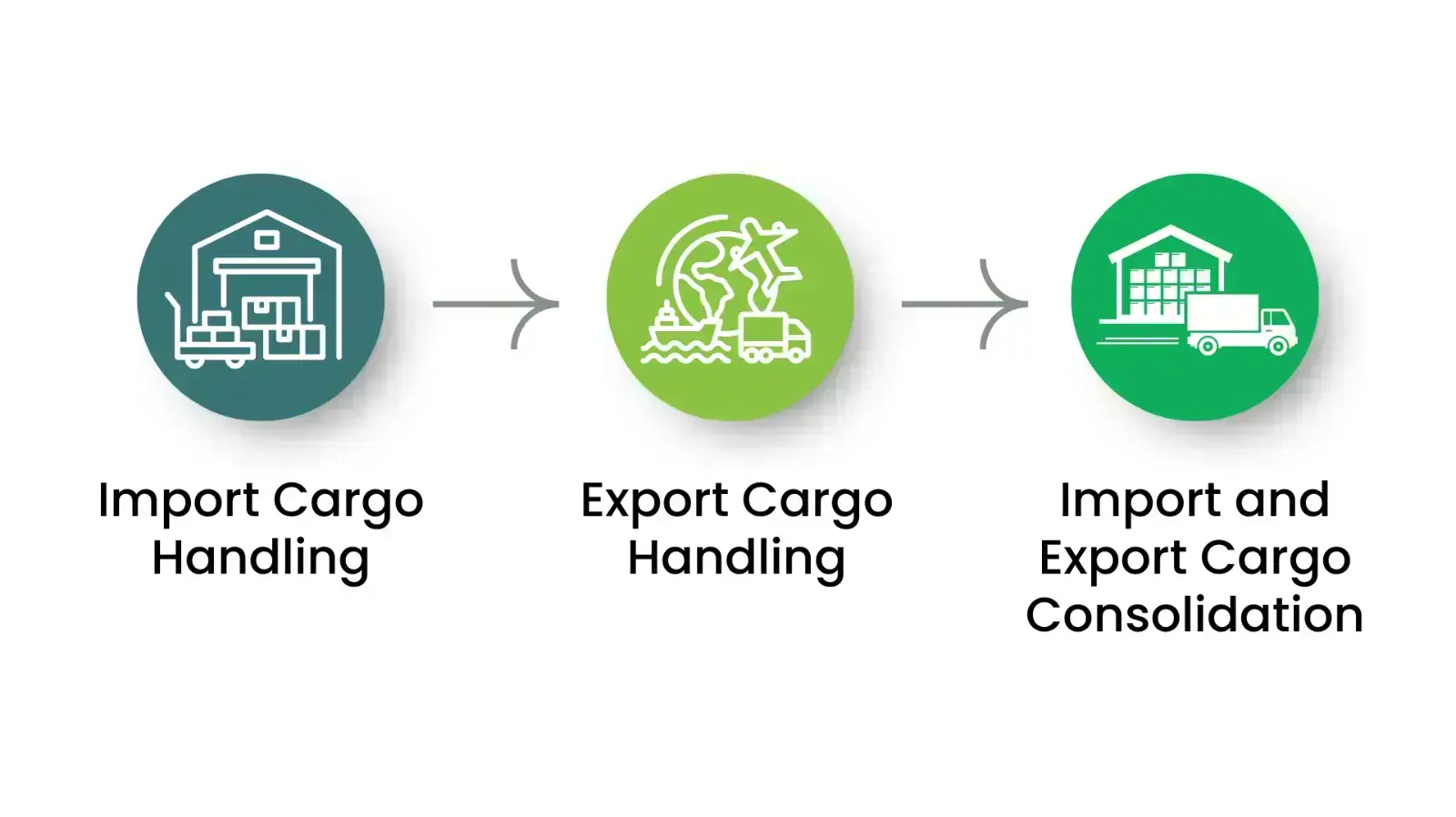
International Freight Forwarding
Import Cargo Handling
Export Cargo Handling
Import and Export Cargo Consolidation
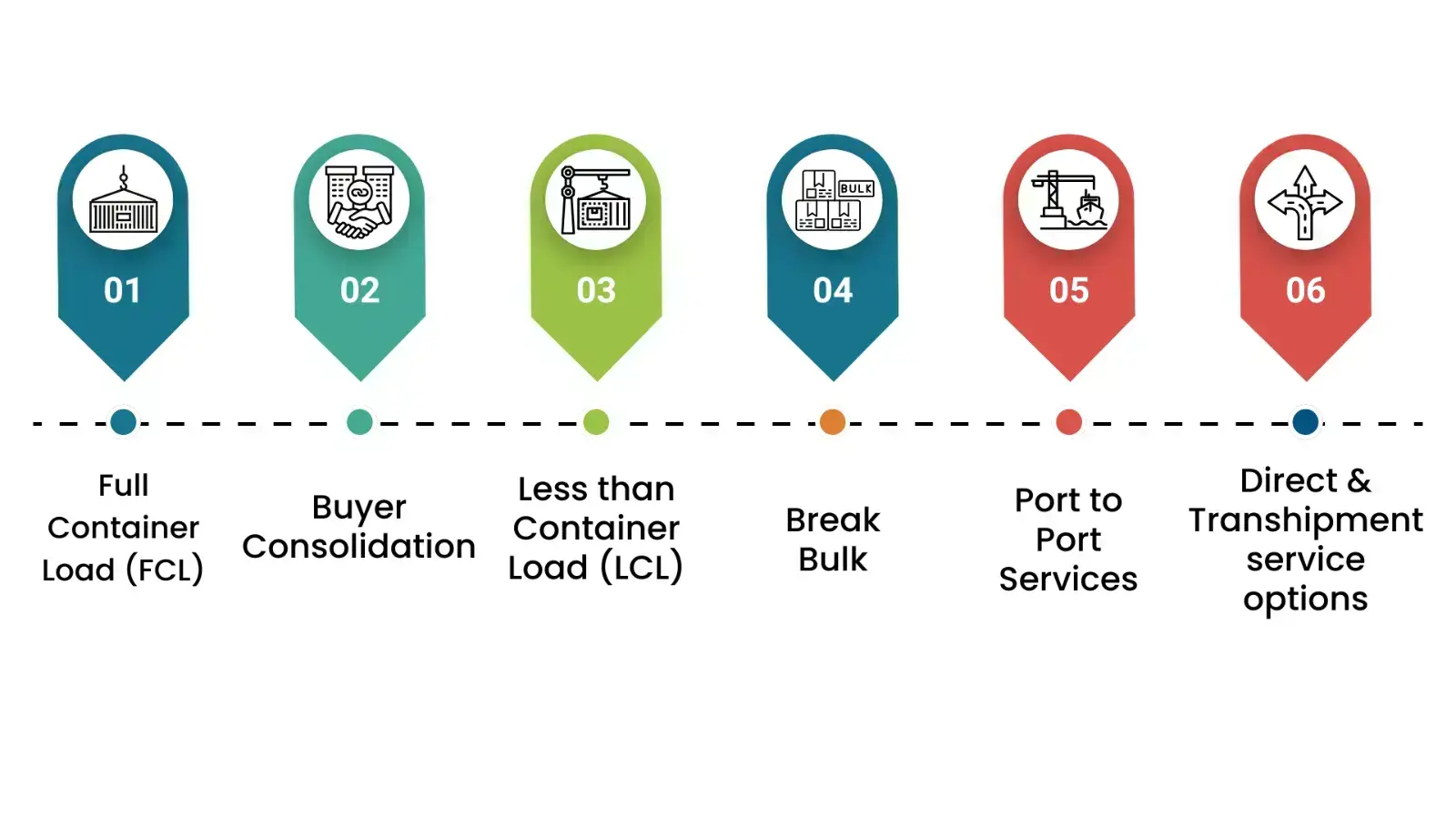
Ocean & Containerized Freight Support
- Full Container Load (FCL)
- Less than Container Load (LCL)
- Buyer Consolidation
- Options for Direct and Transhipment Services
- Services from Port to Port
- Break Bulk
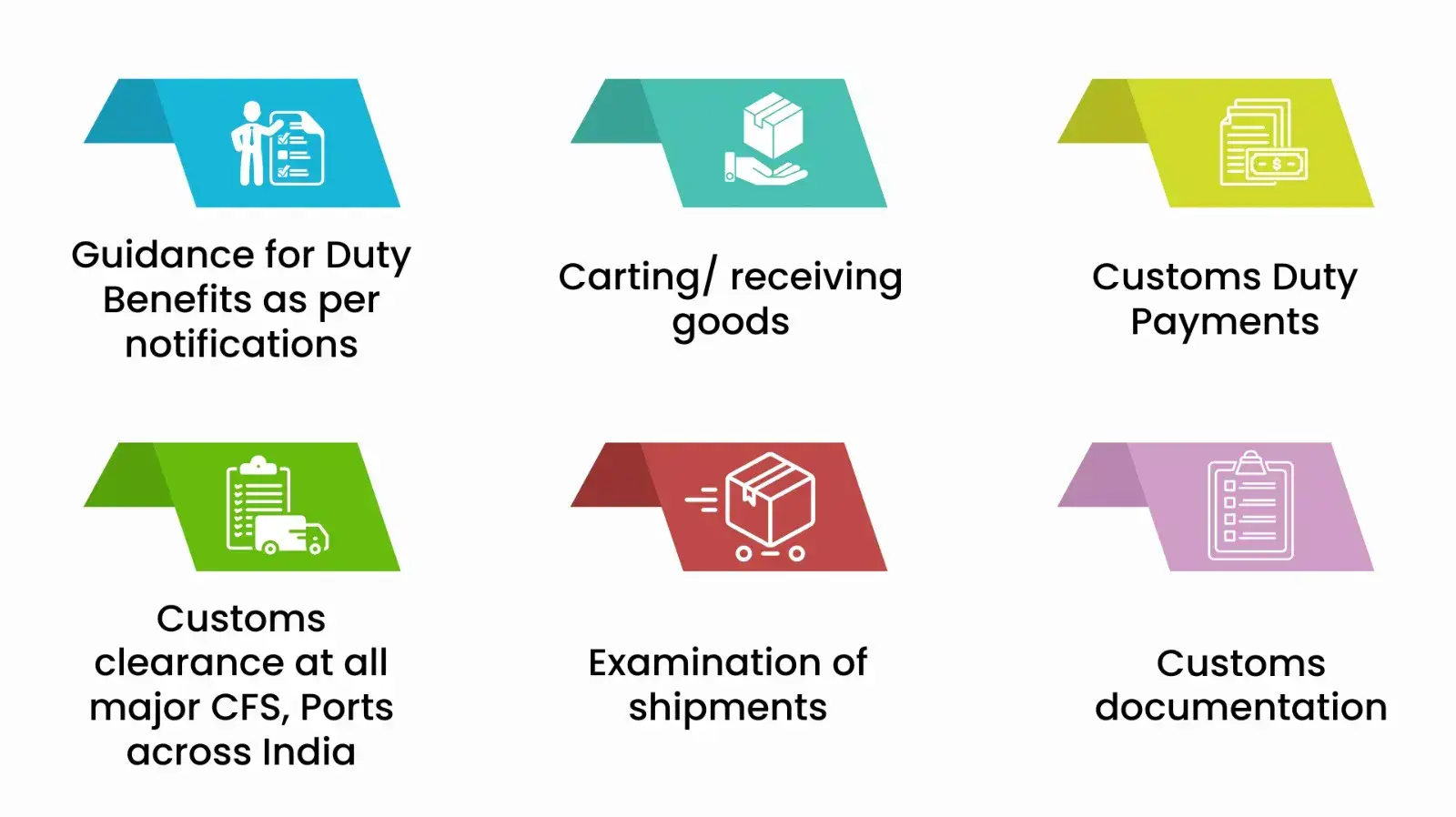
Customs Clearance
- Support with customs-related documentation and applicable import-export requirements
- Customs documentation
- Examination of shipments
- Coordination of customs duty and clearance procedures where applicable
- Customs clearance support across relevant ports and border points within ATLT operating markets
- Cargo receiving and release coordination
Cement Logistics Across East Africa
ATLT’s strategic presence across Nairobi, Mombasa, Nakuru, Kisumu and Eldoret in Kenya; Dar es Salaam in Tanzania; Kampala in Uganda; Kigali in Rwanda; and Addis Ababa in Ethiopia supports responsive logistics solutions across the East African region.
Through its Cement Logistics Services in Kenya, ATLT supports cement manufacturers, distributors and construction-material businesses with transportation, warehousing, freight forwarding, customs clearance and supply chain coordination.
Combined with a freight network connecting 125 countries, this regional presence helps cement manufacturers, distributors and construction-material businesses connect local operations with international suppliers, ports and customers.